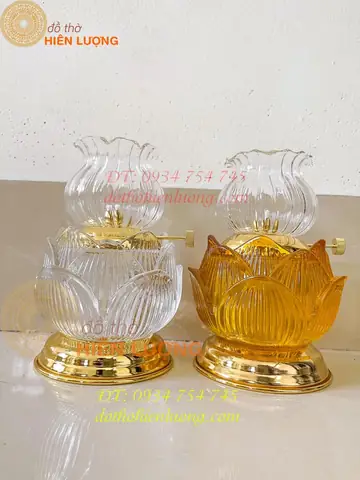
In the heart of Buddhist practice lies a profound ritual that has illuminated the minds and hearts of devotees for centuries: đèn lưu ly cúng phật, or the oil lamp offering to the Buddha. This ancient tradition transcends mere symbolism, serving as a gateway to spiritual awakening, mindfulness, and a deeper connection with the teachings of the Buddha. Through the gentle flicker of a flame, practitioners engage in a meditative act that embodies wisdom, devotion, and the pursuit of enlightenment. This article explores the historical roots, symbolic significance, and transformative power of this sacred ritual, offering insights into its enduring relevance in both monastic and lay life.
Có thể bạn quan tâm: Thầy Cúng Là Gì? Vai Trò, Ý Nghĩa Và Quy Trình Làm Việc Của Thầy Cúng Trong Văn Hóa Việt Nam
Historical Origins and Cultural Legacy
The practice of lighting oil lamps as offerings to the Buddha traces its origins to the earliest days of Buddhism, rooted in the cultural and spiritual landscape of ancient India. Archaeological evidence suggests that oil lamps were used in religious ceremonies as early as the 3rd century BCE, during the reign of Emperor Ashoka, who promoted Buddhism across the Indian subcontinent. These lamps, often crafted from clay or bronze and fueled by oils derived from plants like sesame or lotus seeds, became integral to temple rituals and household shrines.
As Buddhism spread to Southeast Asia, Tibet, and East Asia, the ritual of đèn lưu ly cúng phật evolved, blending with local traditions. In Vietnam, for instance, the practice is deeply intertwined with daily life, where families light oil lamps at home altars alongside incense and fresh flowers. In Thailand, the ritual is often performed during significant Buddhist festivals, such as Vesak, which commemorates the birth, enlightenment, and passing of the Buddha. Similarly, in Tibetan Buddhism, oil lamps are lit during meditation sessions and prayers, symbolizing the dispelling of ignorance and the illumination of wisdom.
This cross-cultural adaptation underscores the universal appeal of light as a metaphor for spiritual awakening, making đèn lưu ly cúng phật a timeless bridge between diverse Buddhist communities.
Có thể bạn quan tâm: Sớ Cúng Rằm Tháng 7: Truyền Thống, Ý Nghĩa, Cách Chuẩn Bị Chuẩn Chí Và Các Lưu Ý Quan Trọng
Symbolism: The Flame as a Mirror of the Mind
At its core, đèn lưu ly cúng phật is rich with symbolism, each element of the oil lamp carrying profound meaning. The lamp itself represents the human mind, while the oil signifies the purification of negative emotions such as greed, hatred, and delusion. The wick, often made of cotton or another natural fiber, symbolizes the ego or the self, which must be carefully tended to avoid being consumed by the flame of wisdom.
The flame, the most striking aspect of the lamp, embodies the light of the Buddha’s teachings (Dharma) and the practitioner’s inner wisdom. In Buddhist philosophy, the flame is compared to the mind’s capacity to dispel darkness—the darkness of ignorance, suffering, and existential uncertainty. The Dhammapada, a cornerstone of Buddhist scripture, states, “The mind is everything; what you think, you become. If the mind is pure, joy follows like a shadow that never leaves.” The steady glow of the oil lamp serves as a visual reminder of this truth, encouraging practitioners to cultivate a mind as steady and luminous as the flame.
Moreover, the act of lighting the lamp is an offering of one’s own efforts and intentions. By dedicating the merit of the ritual to the welfare of all beings, practitioners embody the Buddhist principle of compassion (karuna) and interconnectedness.
Có thể bạn quan tâm: Hướng Dẫn Chi Tiết Nghi Thức Cúng Phật Tại Nhà: Cách Làm Đúng Và Ý Nghĩa Sâu Sắc
The Ritual Process: A Step-by-Step Journey
Performing đèn lưu ly cúng phật is a mindful practice that requires intention, focus, and reverence. The ritual typically begins with the preparation of the space, whether it is a temple altar or a home shrine. Practitioners cleanse the area with incense, arrange fresh flowers, and place offerings such as fruits, tea, or lighted candles alongside the oil lamp.
The lamp itself is filled with oil, traditionally made from lotus seeds or coconut, and a cotton wick is carefully positioned in the center. As the lamp is lit, practitioners recite mantras or prayers, such as the Heart Sutra or the invocation of the Buddha’s name, to sanctify the act. The flame is then tended with care, symbolizing the ongoing commitment to nurturing wisdom and compassion in daily life.
During the ritual, practitioners often engage in meditation, focusing their attention on the flame while contemplating the impermanence of all phenomena. This practice aligns with the Buddhist teaching of mindfulness (sati), encouraging individuals to remain present and aware as they navigate the complexities of life.
Spiritual and Psychological Benefits
The practice of đèn lưu ly cúng phật yields profound spiritual and psychological benefits. On a spiritual level, the ritual serves as a form of devotion (bhakti) that strengthens one’s connection to the Buddha’s teachings. Regular engagement with the practice can deepen one’s understanding of the Four Noble Truths and the Eightfold Path, fostering a sense of inner peace and clarity.
Psychologically, the act of lighting and maintaining the lamp cultivates mindfulness and concentration. The gentle, rhythmic motion of adjusting the wick or trimming the flame becomes a form of moving meditation, anchoring the practitioner in the present moment. Studies in contemplative neuroscience have shown that such practices can reduce stress, enhance emotional regulation, and improve cognitive flexibility.
Có thể bạn quan tâm: Ý Nghĩa Cúng Rằm Tháng 7: Hành Trình Từ Báo Hiếu Đến Giải Thoát, Hướng Dẫn Chi Tiết Lễ Vụ Vu Lan
Additionally, the ritual provides a structured framework for reflection and gratitude. By dedicating the merit of the offering to others, practitioners develop a sense of empathy and altruism, countering the natural tendencies of self-centeredness.
Cultural Variations and Modern Adaptations
While the core essence of đèn lưu ly cúng phật remains consistent, its expression varies across cultures. In Vietnamese Buddhism, the oil lamp is often accompanied by the chanting of sutras and the burning of incense, creating a multisensory experience of devotion. In contrast, Tibetan practitioners may integrate the ritual with mandala offerings or the recitation of specific mantras associated with enlightened beings.
In the modern era, the practice has adapted to contemporary lifestyles. Electric lamps and LED candles have replaced traditional oil lamps in some settings, allowing urban practitioners to maintain the ritual even in spaces where open flames are impractical. However, many traditionalists emphasize the importance of using natural materials to preserve the ritual’s authenticity and deeper symbolic resonance.
Digital platforms have also emerged, offering virtual oil lamp offerings for those unable to participate physically. These innovations highlight the adaptability of Buddhist practices while maintaining their spiritual integrity.
Stories and Parables: Lessons from the Flame
Buddhist teachings frequently employ the metaphor of light to convey profound truths. One such parable tells of a monk who, despite his dedication to meditation, struggled with distractions. The Buddha advised him to light an oil lamp and observe its flame daily. Over time, the monk realized that just as the lamp required a steady supply of oil to remain lit, his mind needed consistent practice and nourishment to stay focused. This story illustrates how đèn lưu ly cúng phật can serve as a practical tool for cultivating discipline and mindfulness.
Another tale recounts a layperson who lit an oil lamp each evening as a gesture of gratitude for the Buddha’s teachings. Years later, when faced with adversity, the memory of the lamp’s steady glow reminded him of the enduring nature of wisdom, helping him overcome despair. Such narratives reinforce the idea that the ritual is not merely an act of worship but a source of strength and guidance.
The Role of Đèn Lưu Ly Cúng Phật in Contemporary Life
In an age marked by rapid technological advancement and societal pressures, the practice of đèn lưu ly cúng phật offers a sanctuary of calm and purpose. For many, it serves as a daily ritual to ground themselves in spiritual values, providing a counterbalance to the chaos of modern existence.
Monasteries and Buddhist centers worldwide continue to emphasize the importance of this practice, incorporating it into retreats and educational programs. Lay practitioners, too, find solace in the simplicity of lighting a lamp, using it as an opportunity to pause, reflect, and reconnect with their inner selves.
Furthermore, the ritual plays a vital role in community gatherings, fostering unity and shared devotion. During festivals or memorials, the collective lighting of oil lamps creates a mesmerizing display of light, symbolizing the interconnectedness of all beings and the collective aspiration for peace and wisdom.
Conclusion: A Timeless Beacon of Wisdom
Đèn lưu ly cúng phật is far more than a ceremonial act; it is a living expression of the Buddha’s teachings, a practice that bridges the temporal and the eternal. Through its rich symbolism, ritualistic precision, and transformative potential, it invites practitioners to kindle the flame of wisdom within their hearts. Whether performed in the solitude of a monastery or the warmth of a family home, this sacred ritual remains a testament to humanity’s enduring quest for light amid darkness, hope amid suffering, and awakening amid ignorance.
As we navigate the challenges of the modern world, the gentle glow of the oil lamp reminds us that enlightenment is not a distant ideal but a luminous reality that can be cultivated through mindful practice, unwavering devotion, and the courage to face the truths of existence. In honoring đèn lưu ly cúng phật, we honor the infinite potential for wisdom and compassion that resides in every heart.